
Published on
While the EU is still widely regarded as a key global player, new data suggests confidence in its influence is beginning to waver amid growing geopolitical instability.
A survey by Euroconsumers, drawing on responses from nearly 10,000 people across ten countries — Belgium, Denmark, France, Germany, Hungary, Ireland, Italy, Poland, Portugal and Spain — sheds light on how Europeans perceive the bloc’s global standing.
A recognised power — but with clear limits
A majority of Europeans continue to view the EU as a major force on the world stage. Around 63% consider it a leading economic power, and 60% see it as an influential political actor.
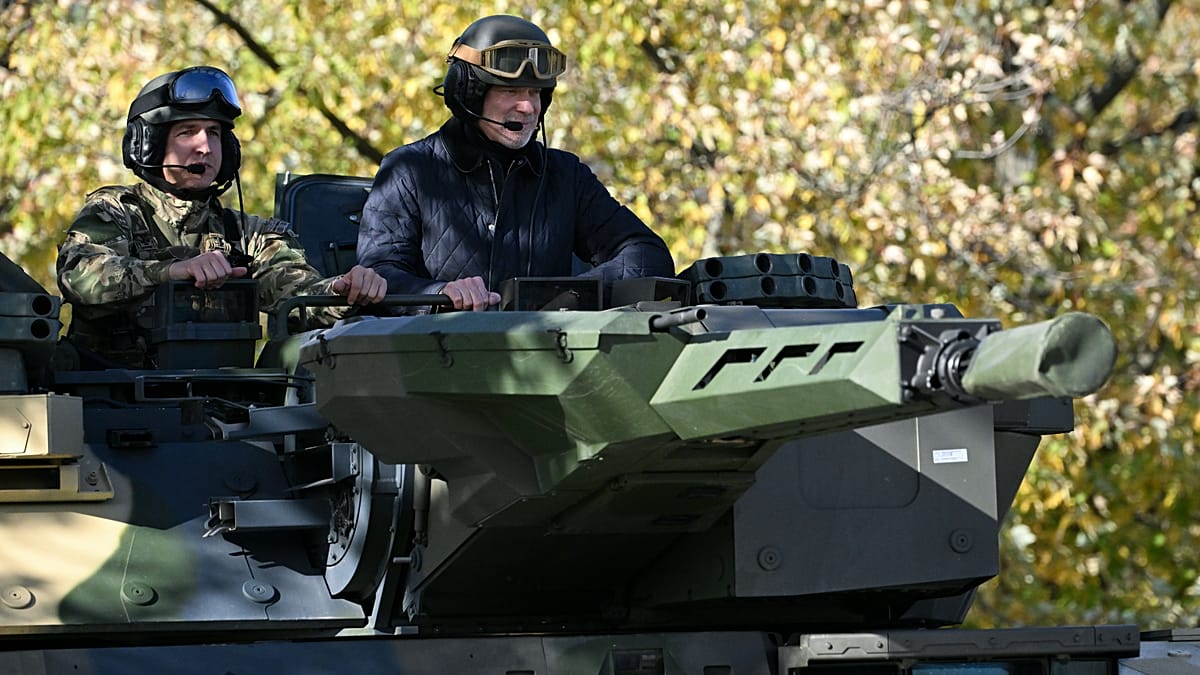
However, perceptions shift significantly when it comes to military strength. Only 36% regard the EU as a credible hard power, highlighting a gap between its economic weight and defence capabilities.
Views are also mixed when it comes to specific crises. In Ukraine, 42% of respondents say the EU has demonstrated strong leadership. By contrast, 41% believe it has failed to do so in Gaza.
Internal divisions are seen as a key obstacle: roughly two-thirds of those surveyed say disagreements between member states are undermining the EU’s global influence.
A cooling transatlantic relationship
The survey points to a weakening of trust in the United States as a long-term partner. Just 28% of respondents believe Washington will remain reliable in the years ahead.
Doubts are particularly pronounced in countries such as Denmark, Germany, Portugal, Ireland, Belgium and Spain, where significant shares of respondents question the durability of the transatlantic alliance.
In this context, around half of respondents say the EU should prioritise building new partnerships beyond the United States. Meanwhile, 51% support deepening trade relations with Asian economies such as Japan and South Korea, while 37% favour closer economic ties with China.
Trade tensions appear to be a key factor, with 70% backing EU countermeasures in response to US tariffs.
At the same time, opinions are divided on how Brussels has handled Donald Trump’s policies. Some 38% of respondents disapprove of the EU’s response, compared to 34% who support it.
Consumer behaviour is also shifting. Around 44% say they have reduced or stopped buying American products — a figure that rises to 55% in Denmark.
Calls for greater autonomy
Support for a more self-reliant European Union is strong. Around 80% of respondents back increased investment in European technology to reduce dependence on external powers.
There is similarly broad backing for strengthening defence capabilities and diversifying trade partnerships.
Yet expectations remain measured. While many Europeans favour a more assertive EU on the global stage, concerns about the economic impact persist — particularly as households continue to grapple with rising living costs.