




The global space race has intensified in recent years, driven by geopolitical rivalry between major powers like the US and China for commercial dominance and resource control.
The Moon’s south pole, prized for its water ice deposits, is the current battleground, with several countries racing to build permanent lunar bases before the decade is out.
Cheaper, reusable rockets from private providers like SpaceX and Blue Origin have driven down the cost of reaching orbit, fuelling the race further.
Now African nations are entering the fray too, crowding an already competitive field and reshaping what global space ambition looks like.
Which African countries have entered the space race?
Eighteen African countries have already launched at least one satellite, up from just a handful a decade ago, with more than 21 now running dedicated space programmes, according to the Africa Center for Strategic Studies.
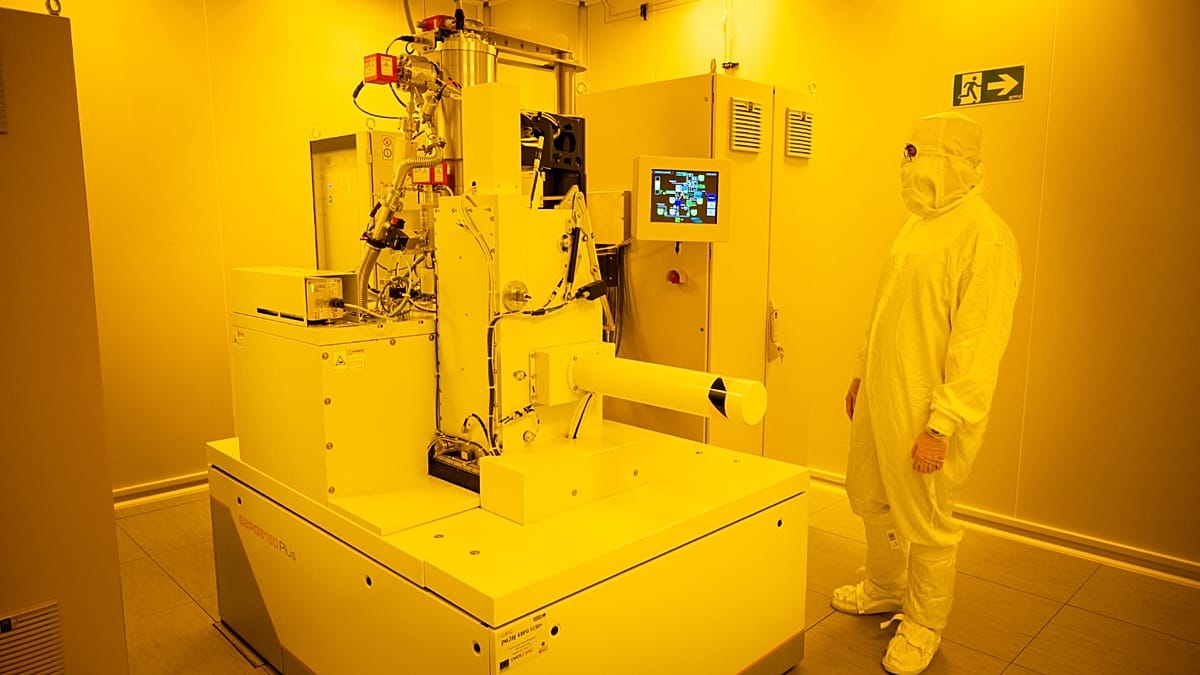
Egypt, South Africa, Algeria, Nigeria and Morocco lead the pack in satellite infrastructure and technology, with major domestic labs for assembling, integrating and testing satellites.
Egypt also hosts the headquarters of the newly launched African Space Agency.
Many of these countries are nurturing private tech firms and aerospace startups, building a research-driven ecosystem from the ground up.
In recent years, Senegal, Rwanda, Djibouti and Zimbabwe have also launched their first satellites.
Tracking resources and building domestic resilience
Sovereignty is the driving force. African nations want to cut their dependence on foreign and Western powers, particularly for geographical and environmental data.
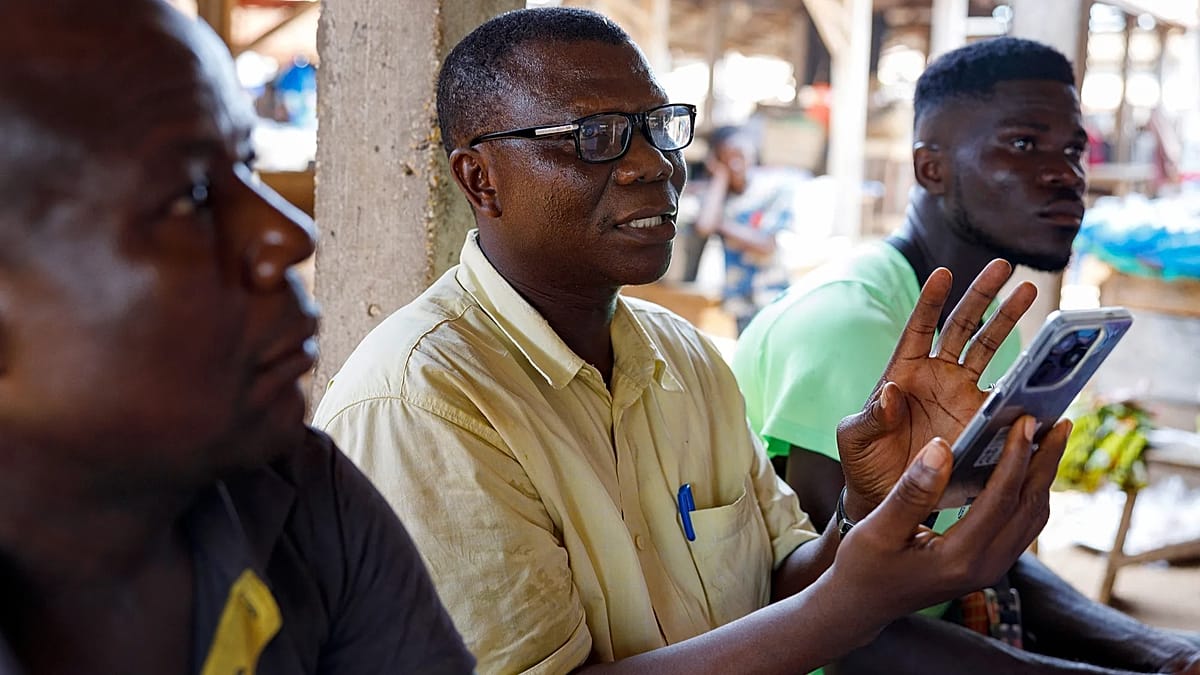
Buying high-resolution satellite imagery and communication bandwidth from abroad is expensive, and requests can be delayed or denied outright. Senegal, Egypt and South Africa are especially keen to control their own data.
African satellites now track crop health, manage water resources and predict floods and droughts. They also monitor illegal fishing, border security, piracy, illegal mining and deforestation, and are increasingly vital for bridging rural telecommunications gaps that terrestrial infrastructure cannot reach.
The African Space Agency helps coordinate cross-border space policy and pool resources, while new aerospace engineering and data science programmes aim to keep young technical talent on the continent.
What does this mean for Europe?
Africa’s space rise could push Europe to shed its role as paternalistic aid provider and become more of an equal partner.
That shift is already under way. The Africa-EU Space Partnership Programme, worth €100 million, shares infrastructure and data, with further tie-ups expected in climate monitoring and agriculture.
European firms could also gain a foothold in Africa’s fast-growing commercial space economy, unlocking opportunities beyond saturated Western markets, while systems like Galileo and Copernicus could help tackle local African challenges.
But Africa’s space ambitions also sharpen the need for Europe to deepen its diplomatic and geopolitical ties on the continent, as rivals China and Russia expand their own space partnerships there.
The challenges that remain
Despite the progress, obstacles persist. Public budgets for space development remain far lower than in the West, leaving many programmes reliant on external loans and donor-tied packages.
Weak local venture capital markets mean startups often struggle to raise funds while facing high operational costs, according to the International Bar Association.
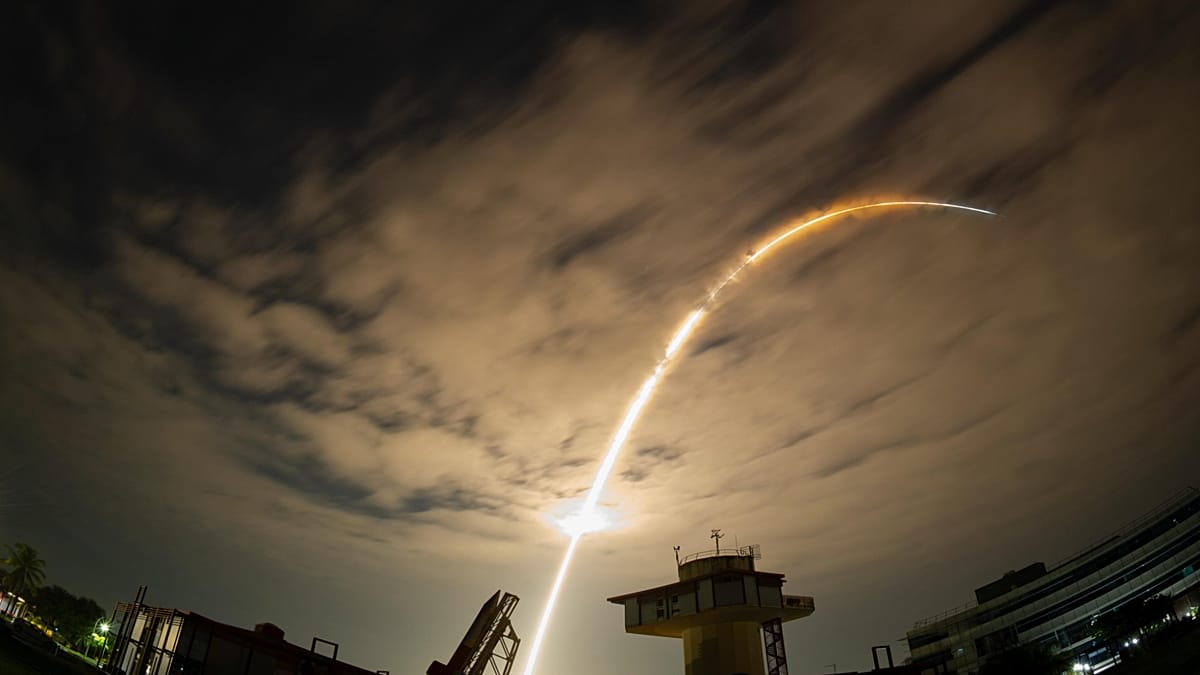
Many rockets still launch from foreign soil due to a shortage of local spaceports, while limited ground stations restrict the download and processing of real-time satellite data.
And despite growing investment in local talent, skills gaps and brain drain remain stubborn problems that could take years to fix.