
Close Menu
Daily Guardian EuropeDaily Guardian Europe
  • Home
  • Europe
  • World
  • Politics
  • Business
  • Lifestyle
  • Sports
  • Travel
  • Environment
  • Culture
  • Press Release
  • Trending
What's On

US stresses Ceuta is Spanish territory but slams Sánchez for not defending it – POLITICO

August 6, 2026

Ukraine hits refineries deep inside Russia as Moscow strikes train station and ship

August 6, 2026

Trump administration to pay €1.06 billion to cancel RWE offshore wind leases

August 6, 2026

UK Labour membership plummeted under Keir Starmer – POLITICO

August 6, 2026

Magyar optimistic about Paks nuclear power station restart as Danube water levels rise

August 6, 2026
Facebook X (Twitter) Instagram
Web Stories
Facebook X (Twitter) Instagram
Daily Guardian Europe
Newsletter
  • Home
  • Europe
  • World
  • Politics
  • Business
  • Lifestyle
  • Sports
  • Travel
  • Environment
  • Culture
  • Press Release
  • Trending
Daily Guardian EuropeDaily Guardian Europe
Home»Europe
Europe

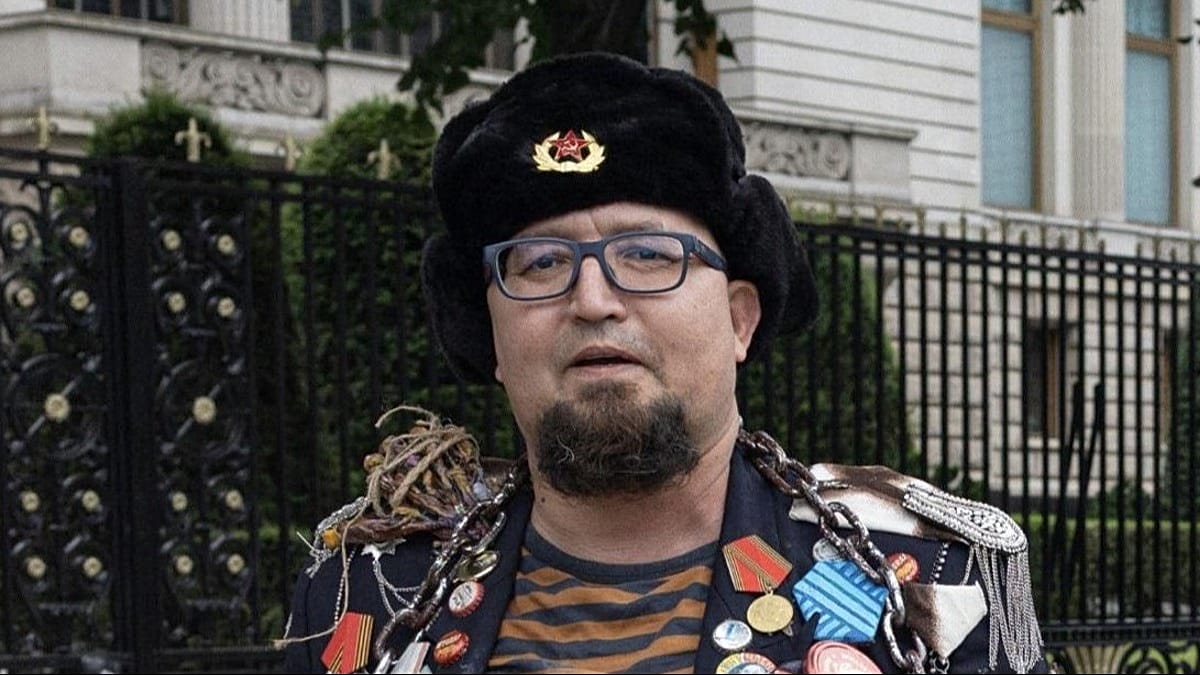
Russian artist and Putin critic Semyon Skrepetsky shot dead in Poland, officials say

By staffJune 16, 20263 Mins Read
Russian artist and Putin critic Semyon Skrepetsky shot dead in Poland, officials say
Share
Facebook Twitter LinkedIn Pinterest Email

A Russian artist well-known for satirising President Vladimir Putin has been shot dead in eastern Poland, officials said on Tuesday.

“An investigation is being conducted…into the murder of a 44-year-old citizen of the Russian Federation…known in the media as Semyon Skrepetsky,” a spokesman for the prosecutor’s office in Lublin, Marcin Kozak, told journalists.

Two Belarusian nationals have been arrested in connection with the killing, he added.

They were detained in the vicinity of the Belarusian consulate in Biała Podlaska in eastern Poland, where the killing took place.

According to Polish officials, Skrepetsky, whose real name is Robert Kuzovkov, was shot three times on Monday morning by an unidentified gunman armed with a handgun.

When the artist fell to the ground, he was approached by the assailant, who fired two more shots at close range.

As it stands, “no charges have been brought” against the two detained Belarusians, Kozak said, adding that “they remain at the disposal of the prosector’s office and the police.”

Skrepetsky was known for his sometimes provocative caricatures, which targeted prominent Russian political figures ranging from Putin and Soviet leader Joseph Stalin to opposition figure Alexei Navalny and head of the Chechen Republic, Ramzan Kadyrov.

One of his best-known works reinterprets a classical Orthodox icon, depicting Stalin cradling Putin in place of the Mother of God holding the infant Jesus.

Skrepetsky moved to Poland in 2021, saying he feared political persecution in Russia.

In exile, he maintained a contrarian stance, attending Russian opposition events while openly criticising the opposition itself.

Broader pattern

The death of Skrepetsky fits into the broader pattern of the fate of Russian artists, activists and opposition figures who criticise the Kremlin.

One of the best-known symbols of such dissent remains the punk band Pussy Riot, whose members, imprisoned and persecuted for anti-Putin protests, staged a protest in Venice on 6 May against Russia’s presence at the 61st International Art Exhibition, the Biennale.

In recent years many opponents of Vladimir Putin have been forced into exile, and some have faced threats, persecution or criminal proceedings.

The most high-profile case remains that of Alexei Navalny, who, after being poisoned and imprisoned, died in a Russian penal colony in 2024.

The Kremlin denies any involvement in the opposition leader’s death. After he died, the Kremlin accused the West of exploiting the case against Russia and described criticism from Western leaders as “unacceptable.”

In 2025 the opposition leader’s widow, Yulia Navalnaya, announced that tests carried out by foreign laboratories with the support of the governments of five countries had found the presence of epibatidine – a powerful neurotoxin found in the venom of certain species of frog – in samples taken from Alexei Navalny’s body.

Additional sources • AFP

Share. Facebook Twitter Pinterest LinkedIn Tumblr Email

Keep Reading

Ukraine hits refineries deep inside Russia as Moscow strikes train station and ship

Magyar optimistic about Paks nuclear power station restart as Danube water levels rise

Belarus designates Euronews’ website as ‘extremist’ media

Old videos and AI-generated images spread online about Ceuta crossings

Ceuta mayor tells MEPs migrant ‘invasion’ left city traumatised, demands immediate deportations

Explainer: What is people smuggling – and why are EU rules to fight it still stalled?

Video. Portugal seizes five tonnes of cocaine in Atlantic bust

EU discusses extra financial support for Spain after record Ceuta migrant surge

Hungary’s Parliament to vote on new president as the country awaits Magyar’s candidate

Editors Picks

Ukraine hits refineries deep inside Russia as Moscow strikes train station and ship

August 6, 2026

Trump administration to pay €1.06 billion to cancel RWE offshore wind leases

August 6, 2026

UK Labour membership plummeted under Keir Starmer – POLITICO

August 6, 2026

Magyar optimistic about Paks nuclear power station restart as Danube water levels rise

August 6, 2026

Subscribe to News

Get the latest Europe and world news and updates directly to your inbox.

Latest News

EU can’t depend on neighbors for border control, migration chief says – POLITICO

August 6, 2026

Belarus designates Euronews’ website as ‘extremist’ media

August 6, 2026

UEFA may still boycott FIFA events as it says Infantino apology ‘changes nothing’

August 6, 2026
Facebook X (Twitter) Pinterest TikTok Instagram
© 2026 Daily Guardian Europe. All Rights Reserved.
  • Privacy Policy
  • Terms
  • Advertise
  • Contact

Type above and press Enter to search. Press Esc to cancel.