
Close Menu
Daily Guardian EuropeDaily Guardian Europe
  • Home
  • Europe
  • World
  • Politics
  • Business
  • Lifestyle
  • Sports
  • Travel
  • Environment
  • Culture
  • Press Release
  • Trending
What's On

Spain hits back at Trump in escalating row over euthanasia – POLITICO

April 1, 2026

Iran strikes tanker off Qatar coast as Tehran’s attacks on Gulf states persist

April 1, 2026

UK to host Strait of Hormuz summit this week – POLITICO

April 1, 2026

Video. Police disperse Jerusalem protest over Israel’s death penalty law

April 1, 2026

France moves closer to social media ban for children under 15 — but houses divided on details

April 1, 2026
Facebook X (Twitter) Instagram
Web Stories
Facebook X (Twitter) Instagram
Daily Guardian Europe
Newsletter
  • Home
  • Europe
  • World
  • Politics
  • Business
  • Lifestyle
  • Sports
  • Travel
  • Environment
  • Culture
  • Press Release
  • Trending
Daily Guardian EuropeDaily Guardian Europe
Home»Europe
Europe

EU capitals ‘should drive response’ to the Iran energy shock, Polish official tells Euronews

By staffApril 1, 20263 Mins Read
EU capitals ‘should drive response’ to the Iran energy shock, Polish official tells Euronews
Share
Facebook Twitter LinkedIn Pinterest Email

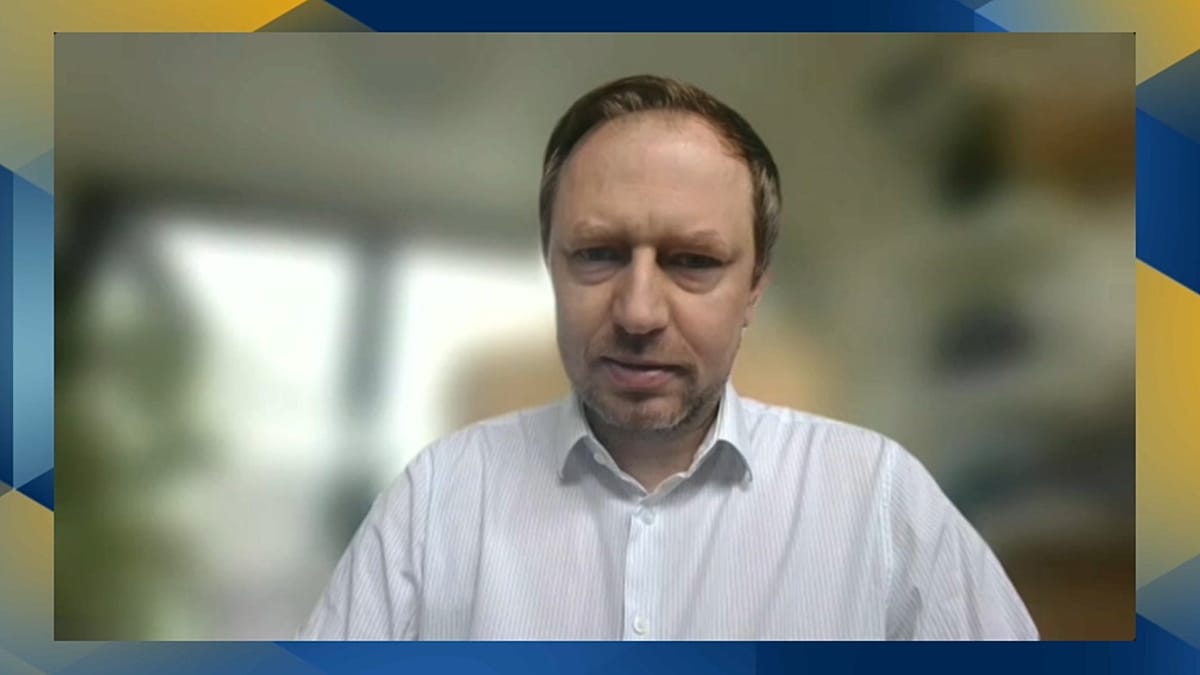
In an interview with Euronews’ flagship morning programme Europe Today, Polish energy secretary Wojciech Wrochna said EU capitals should be driving the response to the energy crisis as the European Commission tries to keep a unified approach.

“We need a coordinated response to the crisis, but the capitals should be driving the measures,” Wrochna said. Until now, the EU has looked at contingency measures at national level, although fiscal capacity for aid and subsidies greatly across member states, and broader measures presented by Brussels.

The EU’s energy chief Dan Jørgensen warned member states this week that prices could remain elevated even if a peace deal is reached in Iran, urging governments to prepare for a “potentially prolonged disruption”.

EU energy ministers met via videoconference on Tuesday to discuss possible steps to curb rising energy prices, but no joint response emerged.

According to Jørgensen, countries may consider measures to curb demand, building up on a set of recommendations from the International Energy Agency which called for fuel rationing, remote working and even car-free Sundays — a policy last seen during the 1970s energy crisis. Oil and gas prices have risen by 70% and 50% respectively in the EU.

Jørgensen acknowledged the “different circumstances” across the bloc, signalling that each member state will ultimately determine its own approach to the “severe situation”, although he warned against member outbidding and competing with each other.

Poland’s Wrochna called on the European Commission to show “flexibility”, noting that ministers had put forward “different approaches” including Warsaw.

Poland introduced Tuesday a price cap on petrol stations to stabilise prices at the pump and prevent excessive margins.

The move is part of a broader package, which also included a reduction in VAT on fuel from 23% to 8%, alongside cuts to excise duties and other levies to the EU minimum.

Warsaw says the measures will provide immediate and visible relief for drivers, while curbing speculative price increases. It has warned fuel stations against exploiting the crisis, signalling that further regulatory action could follow if necessary.

A windfall tax on fuel companies could be considered if excessive profits are identified.

Wrochna stressed that responses should remain country-specific. Proposals such as reducing car use may be easier to implement in countries with strong cycling cultures, but less feasible in cities like Warsaw, where weather conditions limit such alternatives.

Poland is not alone in taking action. A week ago, Slovenia adopted a fuel rationing policy, becoming the first EU country to implement such a measure.

Meanwhile, Spain reduced VAT on fuels from 21% to 10%. Austria has also cut fuel taxes and introduced limits on retailer profit margins, an approach similar to Germany’s proposal, which includes restricting fuel price increases to once per day.

The European Commission is expected to present a “toolbox” of measures soon.

Share. Facebook Twitter Pinterest LinkedIn Tumblr Email

Keep Reading

Are the French removing the EU flag from public buildings and is it illegal?

Is the EU done with member states using vetoes as a power move?

Newsletter: Energy shock has Brussels on edge

Kallas insists Russian assets are an option if Orbán doesn’t lift veto on Ukraine loan

US wrong to negotiate, Iranian regime “not trustworthy”: Iranian opposition leader

EU countries, except Hungary, vow ‘full accountability’ for war crimes in Ukraine

Fact check: Does Hungary have alternatives to the Druzhba pipeline?

Lebanese minister speaks to Euronews as Israeli strikes leave 1,200 dead in Lebanon

Newsletter: Lebanese minister says situation ‘dramatic’ as Israel expands ground invasion

Editors Picks

Iran strikes tanker off Qatar coast as Tehran’s attacks on Gulf states persist

April 1, 2026

UK to host Strait of Hormuz summit this week – POLITICO

April 1, 2026

Video. Police disperse Jerusalem protest over Israel’s death penalty law

April 1, 2026

France moves closer to social media ban for children under 15 — but houses divided on details

April 1, 2026

Subscribe to News

Get the latest Europe and world news and updates directly to your inbox.

Latest News

‘Volatile’ world requires Britain to get close to EU, Starmer says – POLITICO

April 1, 2026

EU capitals ‘should drive response’ to the Iran energy shock, Polish official tells Euronews

April 1, 2026

Video. Traditional Easter ‘monas’ get a contemporary makeover in Barcelona

April 1, 2026
Facebook X (Twitter) Pinterest TikTok Instagram
© 2026 Daily Guardian Europe. All Rights Reserved.
  • Privacy Policy
  • Terms
  • Advertise
  • Contact

Type above and press Enter to search. Press Esc to cancel.