
Close Menu
Daily Guardian EuropeDaily Guardian Europe
  • Home
  • Europe
  • World
  • Politics
  • Business
  • Lifestyle
  • Sports
  • Travel
  • Environment
  • Culture
  • Press Release
  • Trending
What's On

Trump says Iran is ‘welcome’ to play in World Cup – POLITICO

March 11, 2026

How the EU protects citizens and the economy in times of war and crisis

March 11, 2026

Live – Israel carries out strikes in Lebanon and Tehran fires at Gulf states as Iran war enters day 12

March 11, 2026

Europe’s plan to keep Ukraine afloat – POLITICO

March 11, 2026

Video. Latest news bulletin | March 11th, 2026 – Morning

March 11, 2026
Facebook X (Twitter) Instagram
Web Stories
Facebook X (Twitter) Instagram
Daily Guardian Europe
Newsletter
  • Home
  • Europe
  • World
  • Politics
  • Business
  • Lifestyle
  • Sports
  • Travel
  • Environment
  • Culture
  • Press Release
  • Trending
Daily Guardian EuropeDaily Guardian Europe
Home»Europe
Europe

European men in their 30s most at risk of alcohol-related fatal injuries

By staffJanuary 14, 20263 Mins Read
European men in their 30s most at risk of alcohol-related fatal injuries
Share
Facebook Twitter LinkedIn Pinterest Email
By&nbspAlessio Dell’Anna&nbsp&&nbspDamaso Jaivenois

Published on 14/01/2026 – 16:15 GMT+1
•Updated
16:32

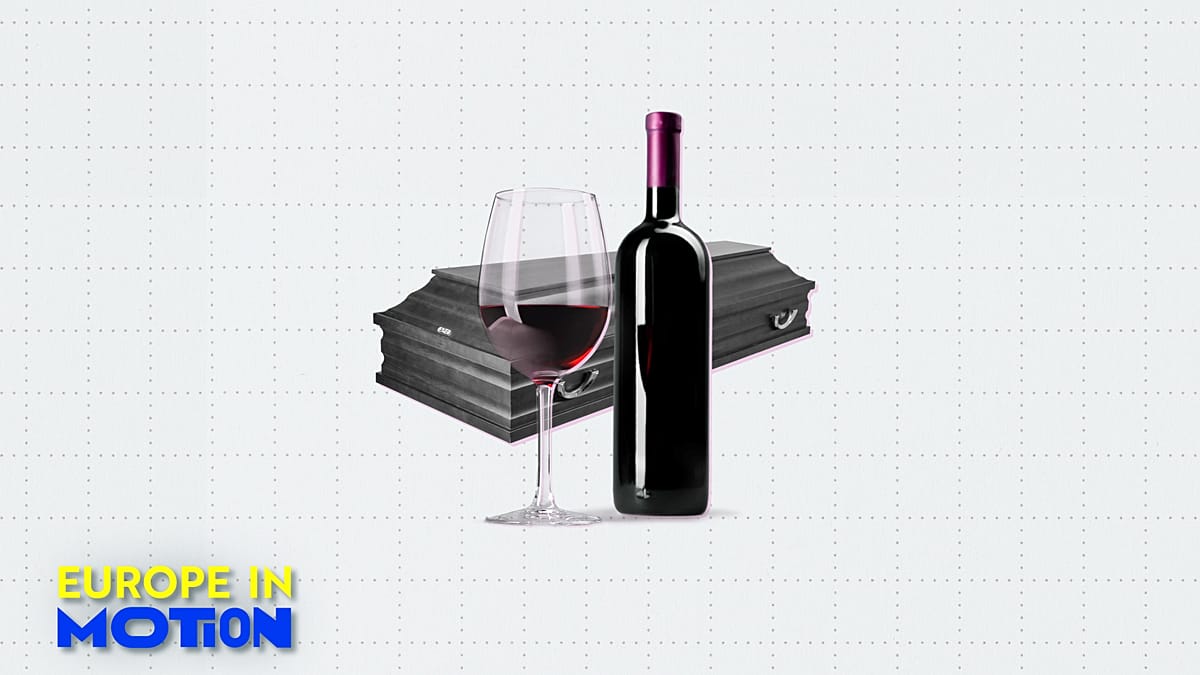
Alcohol is behind 31% of deaths from injury and violence in Europe, according to a new report by the World Health Organization (WHO).

The organisation says the continent drinks more than any other region in the world, with a human cost amounting to 145,000 people

The number one cause of death is not an accidental one: self-harm is the biggest killer, leading to 44,000 alcohol-related fatal injuries in 2019 alone, with 83% of cases being among men.

Road accidents fuelled by alcohol are next, with 24,000 deaths, followed by alcohol-related falls, which took 20,000 lives.

In general, people aged 35 to 39 are the most vulnerable, while, gender-wise, prevalence is higher among men (36.5%) than women (19.4%).

“Men account for most alcohol-attributable injury deaths because they drink more frequently, consume larger quantities and are more likely to have alcohol use disorder”, says the organisation.

What are the most affected countries in Europe?

Although drinking levels have been falling since the early 2000s, the WHO says that there are still significant differences in drinking patterns across Europe.

For example, compared with under 20% in much of western and southern Europe, deaths attributable to alcohol in eastern European countries exceed 60% of all those linked to injury and violence.

Latvia, Lithuania and Russia, in particular, stand out with some of the highest alcohol-related fatal injuries, with around 23 cases per 100,000 people.

At the same time, countries like Azerbaijan, Tajikistan and Turkey reported some of the lowest rates, often less than 2.9 per 100,000.

However, some countermeasures are being taken.

Lithuania, for example, is the only Baltic nation to have banned alcohol sales to anyone under 20.

Sales before 10:00 am or after 8:00 pm (3:00 pm on Sunday) are also forbidden, while alcohol-restricting rules affect marketing too, with a total ban on alcohol advertising, including on imported magazines.

The WHO said in the report that “evidence-based measures such as raising excise taxes, reducing the availability of retailed alcohol, limiting marketing, strengthening drink–driving measures, and expanding screening and brief interventions can significantly reduce alcohol-attributable harm and prevent avoidable deaths.”

How much have alcohol drinking levels dropped?

According to the organisation, in the past two decades, drinking levels dropped substantially.

In the broader WHO Europe region — which also includes the former USSR bloc — the average yearly alcohol consumption fell from 11.1 litres in 2000 to 9.1 in 2022, an 18% drop, also “accompanied by notable decreases in heavy episodic drinking among both men and women”.

However, according to the OECD, most EU countries still have recorded consumption above this average, with Romania, Portugal and Latvia topping the table.

Greece, Finland, Sweden, Belgium, the Netherlands and Italy were the only ones below 9.1 litres.

Share. Facebook Twitter Pinterest LinkedIn Tumblr Email

Keep Reading

How the EU protects citizens and the economy in times of war and crisis

Von der Leyen ‘acting outside of competence’ on Iran war, former France ambassador Araud says

European Parliament ready to vote on EU-US trade deal by March

Fico and von der Leyen agree Druzhba pipeline must be restored amid energy standoff

‘Self-defeating’: EU and US clash over Russia sanctions relief as prices soar

Fake Euronews reports used to spread disinformation about Middle East war

Trafficking victims: Number in Europe might be ‘much higher’ than previously thought

Europe Today: Trump claims Iran war ‘complete’ amid signs of escalation

NATO intercepts a second Iranian missile in Turkish airspace

Editors Picks

How the EU protects citizens and the economy in times of war and crisis

March 11, 2026

Live – Israel carries out strikes in Lebanon and Tehran fires at Gulf states as Iran war enters day 12

March 11, 2026

Europe’s plan to keep Ukraine afloat – POLITICO

March 11, 2026

Video. Latest news bulletin | March 11th, 2026 – Morning

March 11, 2026

Subscribe to News

Get the latest Europe and world news and updates directly to your inbox.

Latest News

How high could Europe’s inflation go if the Iran war continues?

March 11, 2026

Was es für Schwarz-Rot im Bund bedeutet – POLITICO

March 11, 2026

Why textile services matter for Europe – POLITICO

March 11, 2026
Facebook X (Twitter) Pinterest TikTok Instagram
© 2026 Daily Guardian Europe. All Rights Reserved.
  • Privacy Policy
  • Terms
  • Advertise
  • Contact

Type above and press Enter to search. Press Esc to cancel.