
Close Menu
Daily Guardian EuropeDaily Guardian Europe
  • Home
  • Europe
  • World
  • Politics
  • Business
  • Lifestyle
  • Sports
  • Travel
  • Environment
  • Culture
  • Press Release
  • Trending
What's On

Erbschaftsteuer spaltet Union und SPD – POLITICO

January 13, 2026

2025 was deadliest year for Ukrainian civilians since start of Russia’s all-out war, UN says

January 13, 2026

As JD Vance meeting looms, Greenland condemns ‘disrespectful’ sale talk – POLITICO

January 13, 2026

US to host officials from Denmark and Greenland as Trump renews takeover threats

January 13, 2026

BBC wants Donald Trump’s defamation lawsuit thrown out – POLITICO

January 13, 2026
Facebook X (Twitter) Instagram
Web Stories
Facebook X (Twitter) Instagram
Daily Guardian Europe
Newsletter
  • Home
  • Europe
  • World
  • Politics
  • Business
  • Lifestyle
  • Sports
  • Travel
  • Environment
  • Culture
  • Press Release
  • Trending
Daily Guardian EuropeDaily Guardian Europe
Home»Environment
Environment

EU cracks down on ‘forever chemicals’ with new protections for drinking water. What will change?

By staffJanuary 13, 20263 Mins Read
EU cracks down on ‘forever chemicals’ with new protections for drinking water. What will change?
Share
Facebook Twitter LinkedIn Pinterest Email

Published on
13/01/2026 – 14:18 GMT+1

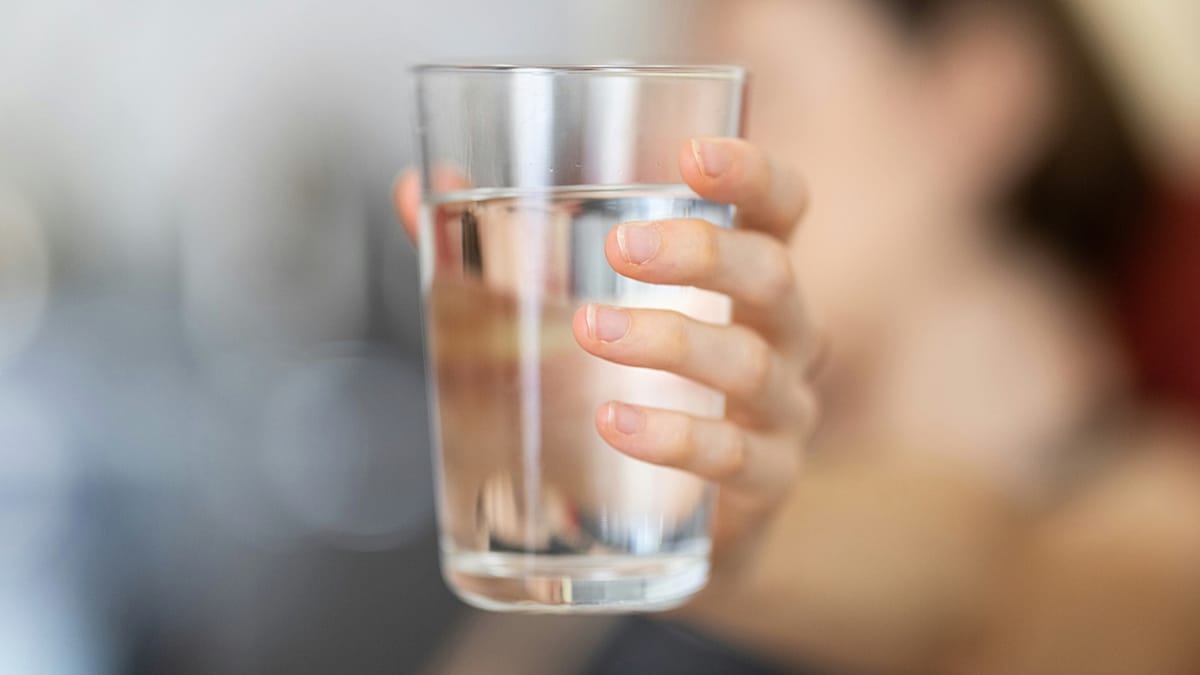
EU-wide protections against ‘forever chemicals’ in drinking water have officially come into effect, providing member states with the “rules and tools” to protect public health.

The crackdown, which came into force on 12 January, marks the first time levels of PFAS (per- and polyfluoroalkyl substances) are being “systematically monitored”.

It means that all EU nations are now required to test contamination levels to ensure compliance with new limit values set out under the recast Drinking Water Directive, which sets the legal standard that water for human consumption must meet to be classed as safe and clean.

What are ‘forever chemicals’?

PFAS are a group of more than 10,000 synthetic chemicals that have been detected virtually everywhere on Earth, from the peak of Mount Everest to inside human blood.

They’re commonly referred to as ‘forever chemicals’ as they can take more than 1,000 years to degrade naturally. PFAS are primarily used to make items water- and grease-resistant, such as non-stick cookware, clothing and food packaging.

However, chronic exposure to forever chemicals has been linked to the promotion of certain cancers, reduced fertility and issues with the immune system. Scientists have previously warned that these human-made chemicals can be inhaled or ingested, and can even be absorbed by the skin.

In Europe, an estimated 12.5 million people live in communities with drinking water contaminated with PFAS.

The EU’s PFAS crackdown

Under new rules, EU nations must monitor PFAS levels in drinking water and inform the European Commission of their results.

The Commission states this reporting system is “simpler” than under the previous Drinking Water Directive and reduces the amount of data that needs to be collected.

If the limit values are exceeded, member states must “take action” to reduce the level of PFAS and protect public health – while also informing the public.

“These measures may include closing contaminated wells, adding treatment steps to remove PFAS, or restricting the use of drinking water supplies for as long as the exceedance continues,” the Commission states.

The crackdown comes shortly after France banned the sale, production or import of any product containing forever chemicals for which an alternative already exists. The first draft of this law did originally include prohibiting non-stick saucepans, but this was later removed following reports of “intense lobbying” from French manufacturer Tefal.

A ‘growing concern’ for Europeans

“PFAS pollution is a growing concern for drinking water across Europe,” says Jessika Roswall, commissioner for environment, water resilience and competitive circular economy.

“With harmonised limits and mandatory monitoring now in force, Member States have the rules and tools to swiftly detect and address PFAS to protect public health.”

Share. Facebook Twitter Pinterest LinkedIn Tumblr Email

Keep Reading

‘Direct assault’: How Trump has rolled back climate progress in the first 10 days of 2026

Carbon pawprint: Your dog’s dinner may have a greater climate impact than your own

Trump pulls US out of UN climate treaty in sweeping withdrawal from global institutions

Scientists named 190 new plants and fungi species in 2025 – including gruesome spider-killing fungus

Why scientists are worried that Greenland’s Prudhoe ice dome could melt away – again

A rare whale is having an encouraging season for births. Scientists warn it might still go extinct

A ‘fossil-fuelled war’: Trump’s plans to ‘exploit’ Venezuela’s oil reserves sparks climate backlash

Millions of Christmas trees will end up in landfill this year. Here’s what to do with them instead

Tiny Fiddler crabs are hoovering up and breaking down microplastics, study finds

Editors Picks

2025 was deadliest year for Ukrainian civilians since start of Russia’s all-out war, UN says

January 13, 2026

As JD Vance meeting looms, Greenland condemns ‘disrespectful’ sale talk – POLITICO

January 13, 2026

US to host officials from Denmark and Greenland as Trump renews takeover threats

January 13, 2026

BBC wants Donald Trump’s defamation lawsuit thrown out – POLITICO

January 13, 2026

Subscribe to News

Get the latest Europe and world news and updates directly to your inbox.

Latest News

Prosecutor ex-husband shoots judge in Istanbul appeals court

January 13, 2026

EU cracks down on ‘forever chemicals’ with new protections for drinking water. What will change?

January 13, 2026

Jafar Panahi: ‘Every minute’s delay in helping Iranian people means more innocents are killed’

January 13, 2026
Facebook X (Twitter) Pinterest TikTok Instagram
© 2026 Daily Guardian Europe. All Rights Reserved.
  • Privacy Policy
  • Terms
  • Advertise
  • Contact

Type above and press Enter to search. Press Esc to cancel.