
Close Menu
Daily Guardian EuropeDaily Guardian Europe
  • Home
  • Europe
  • World
  • Politics
  • Business
  • Lifestyle
  • Sports
  • Travel
  • Environment
  • Culture
  • Press Release
  • Trending
What's On

‘Affordability is absolutely critical’: Can PepsiCo continue to achieve growth?

February 11, 2026

Cisco president warns AI agents need ‘background checks’ like human employees

February 11, 2026

Starmer distances himself from ex-comms chief who campaigned for sex offender – POLITICO

February 11, 2026

EU leaders grapple with how to build and finance a competitive Europe

February 11, 2026

Tehran ready for nuclear inspections, insists it is not seeking weapons

February 11, 2026
Facebook X (Twitter) Instagram
Web Stories
Facebook X (Twitter) Instagram
Daily Guardian Europe
Newsletter
  • Home
  • Europe
  • World
  • Politics
  • Business
  • Lifestyle
  • Sports
  • Travel
  • Environment
  • Culture
  • Press Release
  • Trending
Daily Guardian EuropeDaily Guardian Europe
Home»Environment
Environment

Don’t eat meat or drive a car: Are lifestyle-targeted climate policies eroding our green values?

By staffDecember 30, 20252 Mins Read
Don’t eat meat or drive a car: Are lifestyle-targeted climate policies eroding our green values?
Share
Facebook Twitter LinkedIn Pinterest Email

Published on
30/12/2025 – 11:32 GMT+1

Climate policies that target lifestyle changes risk triggering a wave of “unintended negative side effects”, even among people who are voluntarily trying to make sustainable choices.

The Intergovernmental Panel on Climate Change (IPCC) says that lifestyle changes could help the planet slash emissionsby up to 70 per cent by 2050.

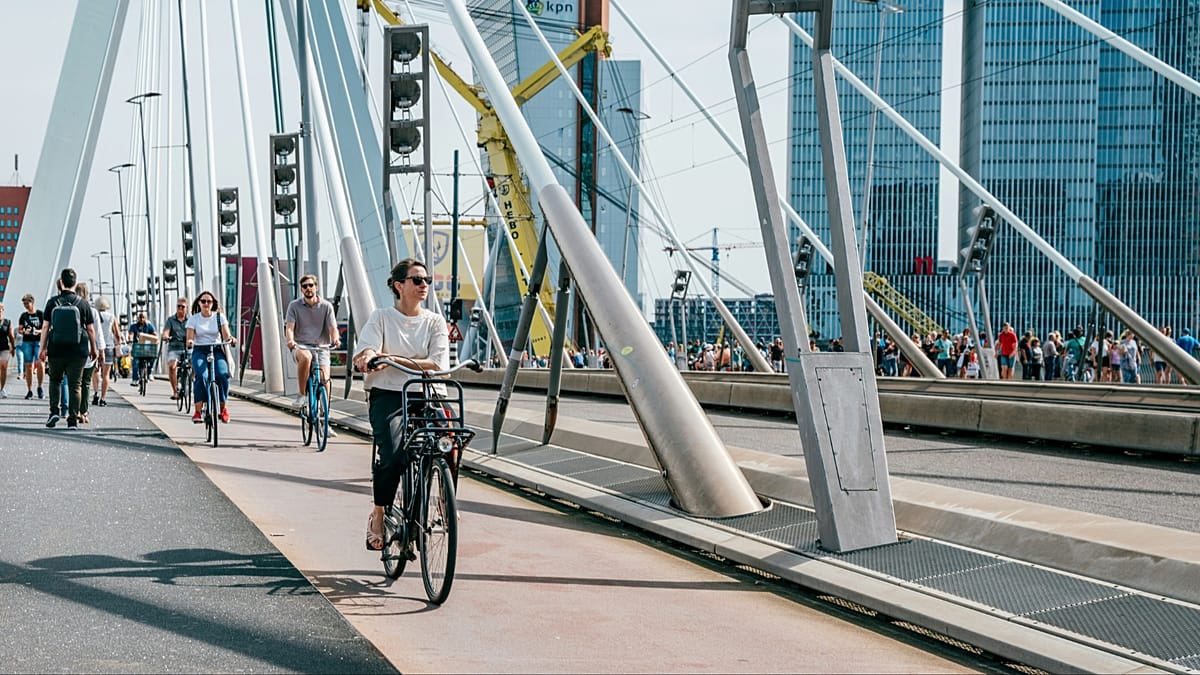
However, a new paper published today in the journal Nature Sustainability warns that frequently-promoted initiatives, such as eating less meat, banning cars from city centres and asking people to forego air travel, may be weakening their “green” values.

Are climate policies backfiring?

Researchers surveyed more than 3,000 Germans representative of the country’s demographics, asking them questions about climate policies and, for comparison, COVID-19 policies.

They found that well-intended but poorly designed mandates can make “green” citizens less eco-minded due to what is commonly known as the “crowding-out effect”.

This is where a person’s aversion to control outweighs their pre-existing motivation to follow a green lifestyle. For example, they might already ride their bike, take public transportation, and be mindful when heating or cooling their home – but when they’re faced with carbon-neutral policies like urban car bans, they have “strong negative reactions”.

Climate change vs COVID-19

Researchers found a 52 per cent greater negative response to climate mandates than COVID-19 mandates, which garnered “incredible hostility” around the world – especially in countries such as the US.

Public rebellion grew during the pandemic, with thousands refusing to adhere to rules such as wearing a mask in public and social distancing.

“It looks like the climate casecould be much worse,” says economist Sam Bowles, one of the study’s authors. “The science and technology to provide a low-carbon way of life is nearly solved but what’s lagging behind is a social-behavioral science of effective and politically viable climate policies.”

How can climate policies cultivate green values?

Researchers say there is still reason for optimism, after finding that resistance was less for people who felt that the policy was effective, didn’t restrict their freedom of choice, and wasn’t intrusive on their privacy or their body.

“In Germany, there is less opposition to limitations on short-haul flights compared to other policies,” behavioural economist and psychologist Katrin Schmelz, lead author on the study, says.

“This may be because the European train network provides an adequate alternative (which may not be the case in the US, for example).”

Share. Facebook Twitter Pinterest LinkedIn Tumblr Email

Keep Reading

Trump Tracker: How the US is rolling back back climate progress in 2026

Devastating wildfires in Argentina and Chile made three times more likely by climate change

‘One of the most damaging decisions in modern history’: Trump EPA to repeal key climate finding

Too warm to snow: Western US fears wildfires and water shortages while eastern states shiver

‘I don’t even have gloves on’: Olympic town warms up as climate change puts Winter Games on thin ice

Black carbon needs to be regulated to save the Arctic – but geopolitical tensions overshadow it

‘Nobody gives us any incentive’: A family’s solitary fight to save endangered plants in the Amazon

Amsterdam to enact landmark ban on fossil fuel and meat advertising in public spaces

‘A half-baked roadmap’: What’s missing from the EU and UK’s so-called crackdown on forever chemicals

Editors Picks

Cisco president warns AI agents need ‘background checks’ like human employees

February 11, 2026

Starmer distances himself from ex-comms chief who campaigned for sex offender – POLITICO

February 11, 2026

EU leaders grapple with how to build and finance a competitive Europe

February 11, 2026

Tehran ready for nuclear inspections, insists it is not seeking weapons

February 11, 2026

Subscribe to News

Get the latest Europe and world news and updates directly to your inbox.

Latest News

Forensic experts’ new report claims that Kurt Cobain may have been murdered

February 11, 2026

French FM ‘can’t rule out’ more diplomats are in Epstein files – POLITICO

February 11, 2026

European preference is ‘necessary’ but a ‘fine line to walk’, warns von der Leyen

February 11, 2026
Facebook X (Twitter) Pinterest TikTok Instagram
© 2026 Daily Guardian Europe. All Rights Reserved.
  • Privacy Policy
  • Terms
  • Advertise
  • Contact

Type above and press Enter to search. Press Esc to cancel.