




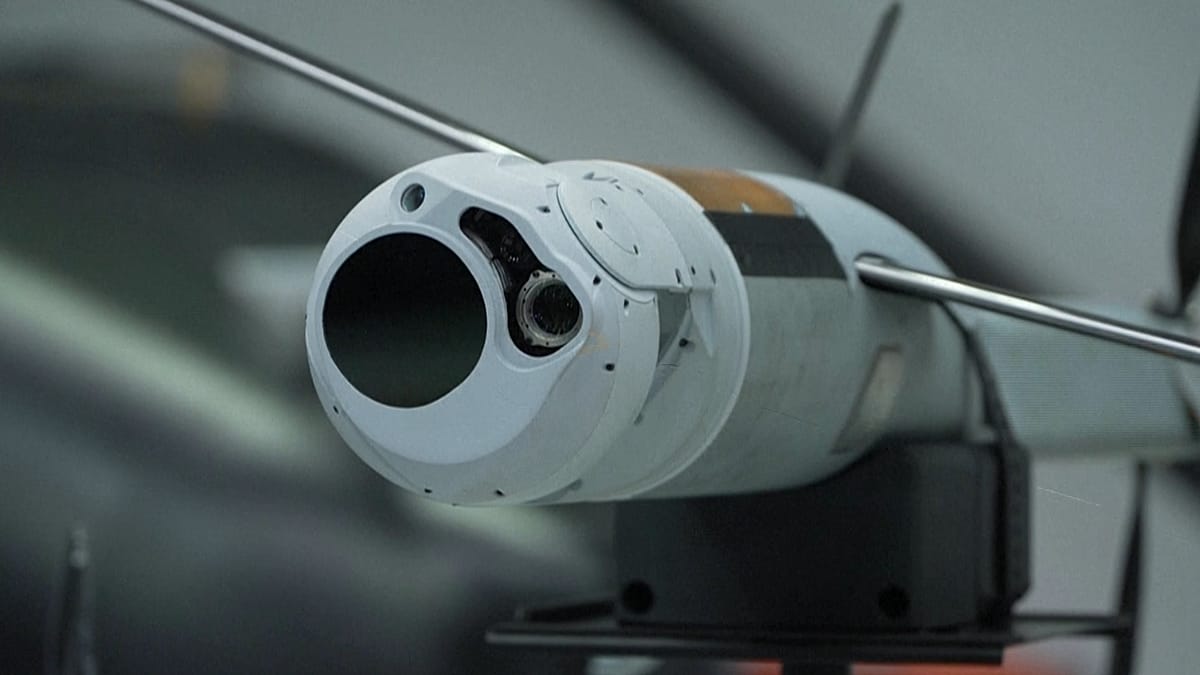


The U.K. this year announced a “hybrid fleet” that leans on autonomous vessels like Type 93 uncrewed underwater vehicles. France has earmarked roughly €8.4 billion for drones and loitering munitions while Germany is establishing its first dedicated drone regiment next year.
Europe’s difficulties in recruiting soldiers also feed into the debate, said Grand. “One thing that is driving everybody in the direction of more unmanned [systems] is we have aging societies — we have a manpower issue.”
Countries also have to figure out how to match Russia’s technological developments without breaking national defense budgets.
Vandier said Russia produces 9 million drones a year, a figure that requires a “pretty radical effort” from the alliance. He suggested one fix could be a subscription-style model for hardware updates to keep weapons systems from becoming obsolete.
5. Learning from Ukraine
Most NATO allies agree that Ukraine contributes to their security thanks to its large and battle-hardened military and its rapid technological developments in air, sea and ground drones, air defenses, missiles, and its advanced Delta battlefield management system.
That has some countries calling for closer military and industrial cooperation, even as others urge caution because the war in Ukraine is different from NATO’s doctrine, which calls for rapid-maneuver warfare, air superiority and standoff precision strikes.
“There are tremendous lessons from the conflict that we need to capture,” NATO’s top commander, U.S. Gen. Alexus Grynkewich, told the European Parliament earlier this month. But “we do not want to fight that kind of war.”


