



Published on
Last year was the deadliest for civilians in Ukraine since 2022, when Russia launched its full-scale invasion, according to a United Nations monitor.
At least 2,514 civilians were killed and 12,142 injured by war-related violence in Ukraine last year, representing a 31% increase in victims compared to 2024 and 70% compared to 2023, said the UN Human Rights Monitoring Mission in Ukraine (HRMMU).
According to the mission, 97% of the casualties it verified in 2025 occurred in Ukrainian government-controlled territory from attacks launched by Russian armed forces.
“Our monitoring shows that this rise was driven not only by intensified hostilities along the frontline, but also by the expanded use of long-range weapons, which exposed civilians across the country to heightened risk,” said Danielle Bell, head of the HRMMU.
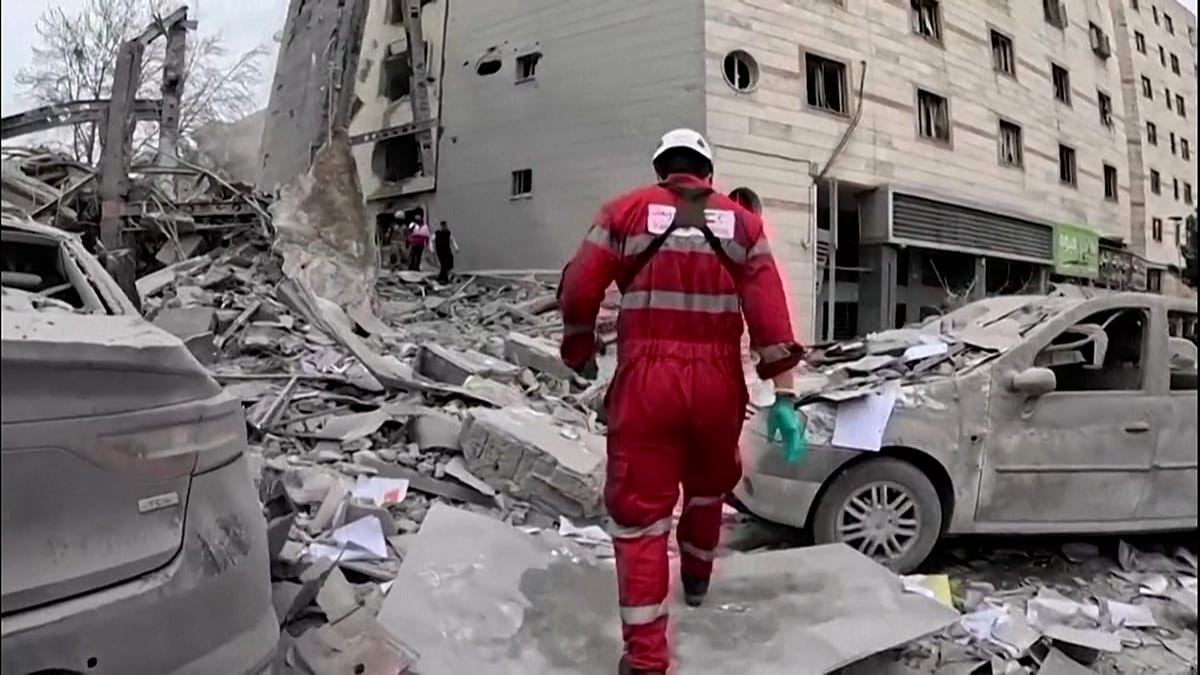
An intensified push by Russian armed forces to capture territory in 2025 resulted in further killing and injuring of civilians, destruction of vital infrastructure, halting of essential services, and new waves of displacement in frontline areas, according to the monitor.
Nearly two-thirds of all casualties last year happened in frontline areas, it said.
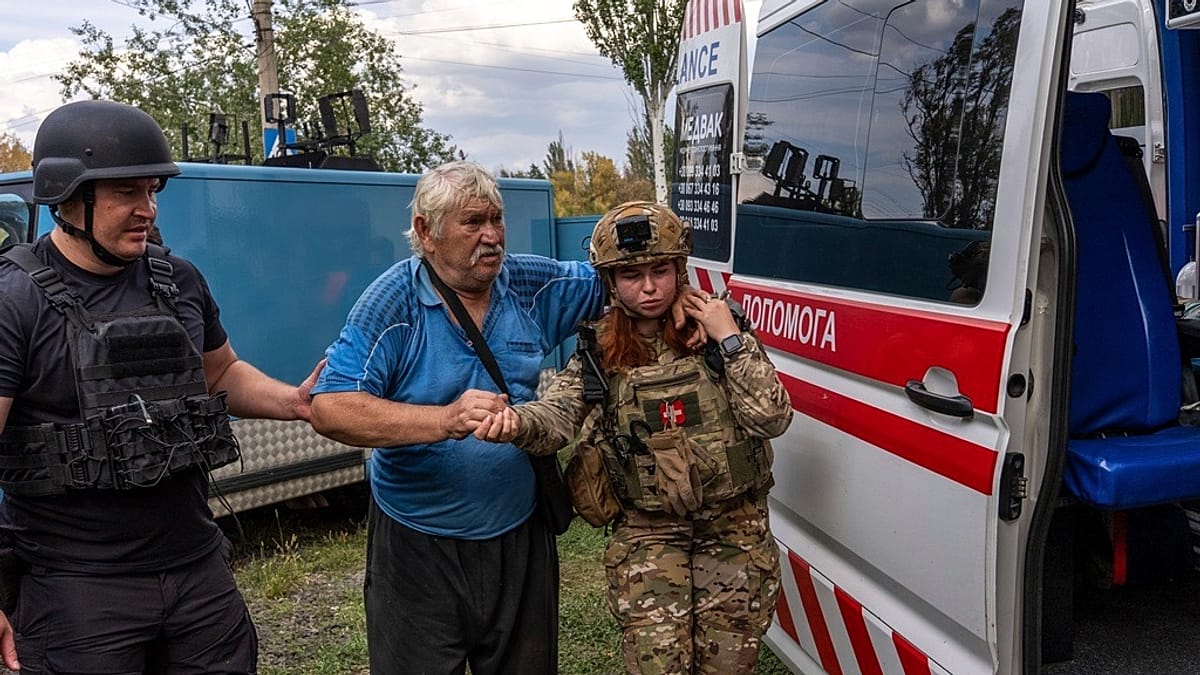
Older people were hit particularly hard, as they make up a large proportion of those remaining in villages along the frontline, the HRMNU said.
Individuals aged 60 or older accounted for more than 45% of those killed in frontline areas, despite that demographic representing only a quarter of the national population.
Short-range drones and long-range weapons
Civilian casualties caused by short-range drones increased by 120% in 2025, according to the monitor.
“The expanded use of short-range drones has rendered many areas near the frontline effectively uninhabitable,” Bell said. “In 2025, many people who had endured years of hostilities were ultimately compelled to leave their homes.”
A huge increase in the use of long-range weapons by Russia starting in June last year also caused a spike in civilian harm in urban centres across Ukraine, the HRMNU found.
Such weapons caused more than a third of civilian casualties in 2025, marking a 65% rise compared to 2024, it said.
“The sharp increase in long-range attacks and the targeting of Ukraine’s national energy infrastructure mean that the consequences of the war are now felt by civilians far beyond the frontline,” Bell added.
On Tuesday, Kyiv reported that Russia had launched a second major drone and missile bombardment of Ukraine in four days, aiming again at the nation’s power grid amid freezing temperatures.
This came after the US accused Moscow of a “dangerous and inexplicable escalation” of the war at a time when the Trump administration is trying to advance peace talks.
Russia has sought to deny Ukrainian civilians heat and running water over the course of the war, hoping to wear down public resistance to Moscow’s full-scale invasion, which began in February 2022. Kyiv has described the strategy as “weaponising winter”.
In a statement on Monday, Ukraine’s foreign ministry highlighted that Russia’s full-scale war against Ukraine has now lasted longer than the time the Soviet Union spent battling Nazi Germany between 1941 and 1945 during World War II.
“In 1,419 days of full-scale invasion of Ukraine, Russia has not achieved a single strategic objective. Ukraine is still standing as a sovereign state,” the ministry said.